The Phoenician Scheme — A Lesson in Inner Safety
On the surface, it looks whimsical, stylized, even silly. But underneath, it is a quiet masterclass in emotional regulation, psychological sovereignty, and inner safety.
Guzalia Davis
Some films entertain. Some distract. Some pass quietly and are forgotten. And then there are rare films that stay. Because they touch something subtle inside you.
The Phoenician Scheme is one of those films.
On the surface, it looks whimsical — stylized, even silly. But underneath, it's a quiet masterclass in emotional regulation, psychological sovereignty, and inner safety.

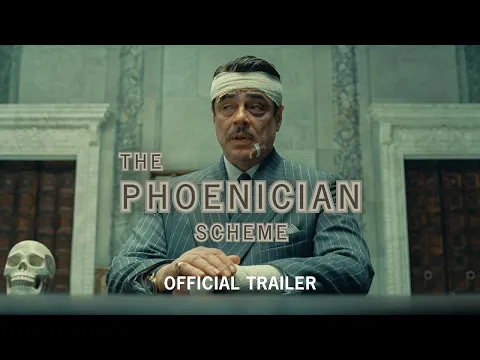
A World Full of Threat — and a Man Who Feels Safe
Throughout the film, the main character is surrounded by danger. People dislike him. People betray him. People actively try to harm him.
And yet, he remains calm.
At one point, he says:
"Me, personally, I feel very safe."
In objectively unsafe circumstances.
From a therapeutic perspective, this line isn't a joke. It's the core message of the entire story.
Safety Is Not the Absence of Danger
Most people associate safety with external conditions: stable income, predictable relationships, physical security, approval, control. I'll feel safe when... But life rarely provides perfect conditions. In reality, safety is an internal skill. A nervous system state. The ability to remain regulated even when the environment is unstable.
The main character embodies this. He's not fearless. He's not reckless. He's not naïve.
He's anchored.
Nervous System Mastery in Disguise
From a hypnotherapy and trauma-informed perspective, what we're watching is sophisticated self-regulation: emotional flexibility, low reactivity, internal locus of control, psychological resilience.
He doesn't panic. He doesn't collapse. He doesn't overexplain. He doesn't beg for approval.
He stays with himself.
This is advanced emotional maturity—the kind many of my clients are working toward without having ever seen it modeled.
Strength Without Armor
Many films portray "strong" characters as aggressive, dominant, emotionally closed, hardened. This film offers a different model.
The protagonist is playful. Observant. Composed. Internally free. Lightly ironic.
He doesn't need armor because he's not fighting reality. He's cooperating with it.
That's real strength.
The Role of Style as Container
Wes Anderson's distinctive aesthetic isn't decorative — it's functional.
The symmetrical frames, pastel colors, and theatrical delivery create emotional distance. This serves a therapeutic purpose. It allows the viewer to engage with danger, betrayal, uncertainty, and existential themes without becoming overwhelmed.
It creates a safe emotional container. Much like a well-held therapy session.
Why This Film Regulates the Viewer
Many people report feeling strangely calm after watching this movie. That's not accidental.
The film models slow pacing, controlled emotional tone, predictability in structure, aesthetic order. All of these signal safety to the nervous system.
Your body learns while you watch. You're absorbing regulation — not through instruction, but through experience.
"I Feel Very Safe" as a Psychological Anchor
If you notice yourself repeating this line after the credits roll, pay attention. It's become an anchor.
In therapeutic terms, this is spontaneous self-hypnosis. When you say "Me, personally, I feel very safe," you're sending a message to your body: We're okay right now. You don't need to mobilize. You can rest.
Over time, this kind of phrase rewires stress responses. Quietly. Gently. Effectively.
I've seen clients adopt far less elegant anchors. This one is a gift.
Psychological Sovereignty
One of the deepest themes in this film is sovereignty — a word I use often with clients.
The main character is not controlled by others' opinions, external chaos, social pressure, or fear narratives. He remains internally self-governed.
This is what many people seek in therapy, whether they have language for it or not: not to control life, but to remain centered within it.
Why This Film Resonates With Certain Viewers
People who have experienced instability, loss, chronic stress, or high self-reliance often resonate strongly with this film.
Because they recognize the skill being shown. They know what it costs to stay calm when everything around you suggests you shouldn't be. They know it's not luck.
It's learned.
A Model of Quiet Resilience
This isn't a story about winning. It's a story about staying intact.
About keeping your inner world organized even when the outer world isn't.
That's resilience. Not dramatic. Not heroic. Not loud.
Sustainable.
Questions to Sit With
After watching, you might ask yourself:
In what situations do I lose my sense of safety?
What helps me return to myself?
Do I rely more on external control or internal grounding?
What would "feeling safe" look like for me—emotionally, not circumstantially?
You don't need answers immediately. Let the questions work quietly.
The Therapeutic Takeaway
The central lesson of The Phoenician Scheme is simple and profound:
Safety is a skill. And it can be learned.
You don't have to wait for perfect conditions. You don't have to eliminate uncertainty. You don't have to control everyone around you.
You can cultivate inner stability. And from there, life becomes lighter.
This film doesn't teach through instruction. It teaches through embodiment.
It shows what regulated, sovereign, emotionally mature presence actually looks like. And once you see it, your nervous system remembers.
Sometimes healing begins with a story.
And sometimes, it begins with one quiet sentence:
"Me, personally, I feel very safe."
© 2015 Guzalia Davis
Phone: 717 - 753 - 8845
Located in Pennsylvania, USA | Serving Clients Internationally [Terms of Service] [Privacy Policy] [Train with Me] [Testimonials]
Become a hypnotherapist
Quit smoking, vaping, dipping, or chewing tobacco.
Prepare your children for college (Social & Emotional Learning)
Youth Navigator™ Bootcamp